The Shenandoah Valley's nonprofit sector doesn't make national headlines. It doesn't have the funding base of Northern Virginia or the visibility of Richmond. What it has is something harder to manufacture: deep community roots, strong cross-sector relationships, and a genuine commitment to place that shows up in the work every day. I spent six years inside that ecosystem. Here's what I saw.
An Insider's Take on a Sector Worth Paying Attention To
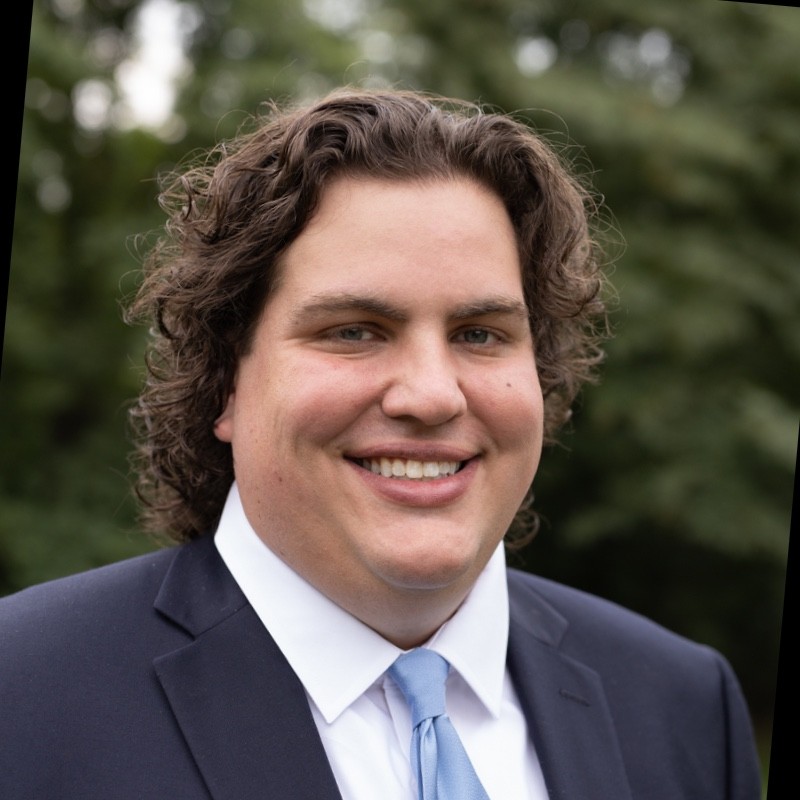
I spent the better part of six years working inside the Shenandoah Valley's nonprofit ecosystem, most recently as President and CEO of United Way of the Northern Shenandoah Valley. Before that, leading Literacy Volunteers Winchester Area. In that time I sat across the table from funders, government officials, board members, peer organizations, and the people our sector is supposed to be serving. I have a pretty clear picture of what this region's nonprofit community does well and where it is quietly struggling.
This is not a criticism. The people who show up every day to do this work in the Valley are talented, committed, and often stretched well beyond what their budgets and job descriptions allow. But honest assessment is a prerequisite for improvement, and the Shenandoah Valley deserves a sector that doesn't just survive but genuinely scales its impact. That requires being clear-eyed about both the assets and the gaps.
What the Valley Gets Right: Community Trust
The most valuable thing the Shenandoah Valley's nonprofit sector has going for it is deep, earned community trust. This is not something you can manufacture or buy with a marketing campaign. It exists here because organizations have been embedded in communities like Winchester, Front Royal, Woodstock, and Strasburg for decades. People give to them, volunteer with them, and turn to them in crisis because they know the faces and the history.
That trust creates a fundraising advantage that coastal metros have to work much harder to achieve. A nonprofit in Winchester can generate real campaign momentum through relationship-driven annual giving because the community has a generational connection to the institution. That is a genuine asset, and it shouldn't be taken for granted.
What the Valley Gets Right: Cross-Sector Collaboration
The region also punches above its weight when it comes to collaboration across sectors. The network of relationships between nonprofits, local government, healthcare systems, the business community, and educational institutions in the Northern Shenandoah Valley is genuinely functional in ways that are unusual for a region this size.
I've seen organizations work through difficult partnership challenges, coordinate overlapping service areas, and bring diverse stakeholders to the same table to solve community problems. The Top of Virginia Regional Chamber plays a real role here, as do regional coalitions organized around specific issues like early childhood, housing, and food security. The social capital exists. That's the foundation everything else has to be built on.
Where the Gaps Are: Chronic Underfunding and Thin Operating Margins
Here's where honesty requires courage. A significant portion of the Shenandoah Valley's nonprofit organizations are running on margins that leave no room for error. When federal and state funding shifts, as it regularly does, organizations scramble. When a major donor redirects, programs get cut. When a building needs a repair, reserves don't exist to cover it.
This is not a management failure. It's a structural one. The region's philanthropic base, though generous relative to its size, has not grown proportionate to the complexity of community needs. Local government funding for human services is constrained. Federal dollars are increasingly uncertain. The result is a sector that is chronically under-resourced relative to the problems it's expected to solve, and that gap gets filled by staff working nights and weekends for salaries that don't reflect their expertise.
Where the Gaps Are: Leadership Pipeline and Succession
The Valley's nonprofit sector has a leadership pipeline problem that nobody talks about enough. Many of the region's most effective organizations are led by people who have been there a long time. That's a strength in some respects, because institutional knowledge and relationship capital accumulate over years. But it also means that when those leaders retire or move on, there may not be a clear successor ready to step in.
Mid-level talent development is inconsistent across the sector. Many organizations don't have the budget for professional development, leadership training, or succession planning. They're focused on the next grant deadline or the next campaign. The result is that leadership transitions, when they happen, are more disruptive than they need to be, and the region loses institutional knowledge that took years to build.
This is solvable, but it requires funders and boards to treat leadership development as a mission-critical investment rather than an administrative overhead line to be cut.
Where the Gaps Are: Capacity for Strategic Planning
Most small and mid-sized nonprofits in the Valley are too busy executing to step back and plan. Strategic planning gets treated as something you do when a funder requires it, not as an ongoing discipline that drives resource allocation and organizational focus. The result is organizations that are responsive and mission-driven but not always strategic about where they're investing their limited capacity.
This matters because the problems the sector is trying to address, housing instability, educational equity, food access, workforce development, are interconnected. Solving them requires coordinated, sustained effort, not just responsive programming. That level of coordination requires organizations to have clear strategic direction themselves before they can effectively align with others.
The Opportunity Ahead
The Shenandoah Valley's nonprofit sector has real strengths to build on. The trust is there. The relationships are there. The commitment to community is not in question. What the region needs now is investment in organizational infrastructure, leadership development, and the kind of honest strategic thinking that turns good intentions into durable impact.
Organizations that invest in getting their strategy right, building their bench, and operating with sustainable financial models will be the ones still here in twenty years, doing more than they are today. The rest will keep grinding, doing good work, but never quite getting ahead of the next crisis. The Valley deserves better than that, and the capacity to build it is already here.